New
Exclusive

Table of contents
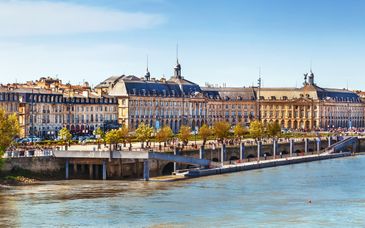
Few destinations combine architectural grandeur, culinary finesse and viticultural heritage quite like Bordeaux. Recognised by UNESCO for its Port of the Moon ensemble, the city unfolds along the Garonne riverfront in a tableau of honey-stone buildings, pedestrianised boulevards and the iconic Miroir d’Eau, Europe’s largest reflecting pool. As the world’s wine capital, Bordeaux serves as a gateway to legendary estates in Saint-Émilion, Médoc and Pessac-Léognan, yet its urban heartbeat pulses with contemporary galleries, rooftop bars and a vibrant food scene anchored by canelés, oysters and entrecôte à la bordelaise. Day trips to Arcachon and the towering Dune du Pilat lie an hour away, while the Belle Époque charm of Cap Ferret awaits those craving Atlantic breezes. Whether you arrive for a brisk weekend or a languid four-day sojourn, Bordeaux rewards every moment with elegance and ease. Join the community at Voyage Privé to unlock exclusive offers on handpicked hotels and curated packages, transforming your city break into a seamless, memorable escape.

Tucked in a quiet residential quarter near the Roman amphitheatre, this contemporary five-star retreat marries plush interiors with minimalist design. Spacious suites feature rainfall showers and curated art, while the on-site restaurant serves innovative French cuisine paired with grand cru classé labels. Its central yet tranquil location makes it ideal for guests seeking boutique luxury steps from Place de la Bourse and the vibrant Chartrons wine merchants.
What we love: The intimate spa and rooftop terrace overlooking Bordeaux’s honey-stone rooftops.

Set in the historic Chartrons district—once the domain of English wine traders—this four-star property blends neighbourhood character with modern comfort. Rooms feature exposed brick, rain showers and thoughtful touches inspired by local heritage, while the rooftop restaurant commands sweeping views over the Garonne. A short tram ride connects guests to the Miroir d’Eau, and the surrounding streets brim with independent wine bars and antique shops.
What we love: The panoramic rooftop terrace, perfect for sunset apéritifs overlooking the river.

Modern practicality meets central convenience at this well-appointed four-star address, a stone’s throw from the Grand Théâtre and pedestrianised Rue Sainte-Catherine. Bright, spacious rooms offer comfortable beds and efficient work desks, while the breakfast buffet fuels morning explorations of the UNESCO-listed quarter. Families appreciate the connecting rooms and proximity to tram lines, ensuring effortless access to La Cité du Vin and the riverfront promenade.
What we love: The unbeatable location for sightseeing, shopping and spontaneous wine-bar discoveries.
Bordeaux’s magnetism stems from a rare convergence of heritage and hedonism. The Port of the Moon ensemble, awarded UNESCO World Heritage status in 2007, unfolds across 1,810 hectares of neoclassical squares, elegant quays and honey-stone façades shaped by 18th-century prosperity. Place de la Bourse epitomises this grandeur: its symmetrical arcades frame the Miroir d’Eau, a reflecting pool that transforms the square into a shimmering canvas at dawn and dusk. Yet Bordeaux refuses to rest on its architectural laurels. As the world’s wine capital, it anchors a viticultural universe stretching from the gravelly soils of Médoc to the limestone hills of Saint-Émilion and the urban estates of Pessac-Léognan. The Garonne riverfront, once lined with merchant warehouses, now thrives with contemporary galleries, open-air markets and riverside terraces where diners sample oysters and Bordeaux Blanc. This duality—urban sophistication paired with vineyard access—renders Bordeaux an effortless city break, blending culture, gastronomy and oenology within a compact, pedestrian-friendly core.
Late spring and early autumn emerge as the optimal windows for a Bordeaux city break. May through June delivers mild temperatures averaging 15–22°C, blooming public gardens and manageable crowds, while September and October usher in the harvest season, when vineyard tours capture the crush and fermentation in real time. Summer—July and August—tempts with long, warm days (20–28°C) and lively riverside festivals, yet accommodation prices climb and popular châteaux fill swiftly. Winter, spanning November to February, sees cooler, wetter conditions (5–12°C) and occasional Atlantic squalls, but the season suits museum explorations, indoor wine tastings at La Cité du Vin and cosy bistro lunches without the tourist throngs. Bordeaux enjoys a temperate oceanic climate moderated by proximity to the Atlantic, so layering remains wise year-round. Pack comfortable walking shoes for cobbled lanes, a lightweight rain jacket for unpredictable showers and sun protection for riverfront strolls, ensuring preparedness whatever the calendar delivers.
A 48-hour weekend suffices to tick off Bordeaux’s headline attractions—Place de la Bourse, the Miroir d’Eau, a tasting room in Saint-Émilion—yet the pace feels brisk, leaving scant margin for leisurely meals or spontaneous discoveries. Three days strikes the ideal balance: allocate the first day to the UNESCO historic centre and riverfront, the second to La Cité du Vin and a full vineyard excursion (Médoc or Saint-Émilion), and the third to a coastal day trip—Arcachon, Dune du Pilat—or deeper neighbourhood wandering in Chartrons and Saint-Pierre. Families and slow travellers thrive on a four-day itinerary, weaving in kid-friendly stops such as Jardin Public, Cap Sciences museum and a Garonne boat cruise, plus ample downtime at the hotel pool or a beach picnic. Three days remains the sweet spot for most visitors, offering a well-rounded blend of sightseeing, wine immersion and day-trip flexibility without the pressure of a ticking clock.
Day 1: Begin at Place de la Bourse before 9 am, when early light gilds the neoclassical arcades and the Miroir d’Eau lies glassy and crowd-free—a photographer’s dream. Stroll north along the Garonne quays to the Grand Théâtre, pausing to admire its Corinthian columns, then dive into pedestrianised Rue Sainte-Catherine, Europe’s longest shopping street, for boutique browsing. Lunch at a traditional bistro: order entrecôte à la bordelaise paired with a carafe of local red. Afternoon explores CAPC contemporary art museum or the eco-conscious Darwin quarter, a former barracks reborn as a street-art gallery, skate park and organic café hub. Evening unfolds in Chartrons, where wine bars pour grand cru classé labels by the glass. Day 2: Catch a morning train or join a guided tour to Saint-Émilion (45–50 minutes by car, or about an hour by train), the medieval hilltop village whose cobbled lanes wind past Romanesque churches and underground catacombs. Visit a château for a cellar tour and tasting, then lunch at a terrace overlooking vine-striped slopes. Return mid-afternoon to explore La Cité du Vin or relax at a riverside café, capping the weekend with oysters and Bordeaux Blanc as the sun sets over the Garonne.
Day 1: Replicate the 48-hour opening—Place de la Bourse, riverfront, historic centre—adding a sunset apéritif at a rooftop bar for panoramic views over honey-stone rooftops. Day 2: Morning at La Cité du Vin, the striking contemporary building housing an interactive wine museum; allocate two to three hours, booking timed entry online to skip queues, and ascend to the eighth-floor belvedere for a tasting with sweeping river vistas. Lunch nearby, then wander to Marché des Capucins, the city’s most vibrant food market: sample oysters shucked to order, wedges of aged Comté and golden canelés from a century-old pâtisserie. Afternoon explores Saint-Pierre or Saint-Michel quarters, medieval pockets brimming with vintage shops and wine bars. Day 3: Full-day vineyard tour—join a small-group excursion through Médoc, visiting two or three châteaux for cellar tours, tastings and a leisurely estate lunch, or opt for Saint-Émilion paired with neighbouring Pomerol. Alternatively, dedicate the morning to Arcachon and Dune du Pilat (107 metres high), returning by late afternoon for a final spa treatment or shopping spree along Cours de l’Intendance before departure.
Families and unhurried travellers flourish on a three- to four-day itinerary paced around children’s rhythms and rest breaks. Jardin Public offers shaded lawns, a playground and a puppet theatre (Wednesday and weekend matinees), while the Miroir d’Eau doubles as an impromptu splash zone—pack towels and spare clothes. Book a one-hour Garonne river cruise with bilingual commentary, or explore Cap Sciences, an interactive museum where kids experiment with physics and biology through hands-on exhibits. For vineyard visits, select family-friendly estates offering château tours without lengthy tastings, plus picnic grounds where children roam freely; some properties near Bordeaux welcome youngsters with grape-juice tastings and treasure hunts. Dedicate a full day to Arcachon: beach time, sandcastle construction, then a taxi or bus to Dune du Pilat—Europe’s tallest sand dune (107 metres) thrills climbers of all ages, rewarding the ascent with Atlantic panoramas. Parents savour fresh oysters at a waterfront cabin while children paddle in the shallows. The city’s flat, pedestrianised centre accommodates strollers with ease, and many restaurants offer children’s menus. Consider Mercure Bordeaux Centre Ville 4* for spacious connecting rooms and central access to tram lines, ensuring seamless logistics for family adventures.
Bordeaux anchors a viticultural constellation spanning legendary appellations: Saint-Émilion, the UNESCO-listed medieval village perched above Merlot vines; Médoc, home to Cabernet Sauvignon and grand cru classé estates such as Château Margaux and Château Latour; and Pessac-Léognan, whose urban châteaux (Haut-Brion, Smith Haut Lafitte) lie a 20-minute drive from the city centre. Half-day guided tours typically include transport from Bordeaux, visits to one or two châteaux with cellar tours and tastings of three to four wines, priced €80–150 per person. Full-day excursions add a third estate, a vineyard picnic or restaurant lunch and deeper terroir insights, running €150–250. Book online well in advance—popular tours fill swiftly, especially during harvest season (September–October). Independent travellers can reach Saint-Émilion by train in 45–50 minutes by car or about an hour by train from Bordeaux Saint-Jean station, then explore the cobbled village on foot; the tourist office lists tasting rooms accepting walk-ins, though appointments remain safer. Some châteaux charge €10–30 per tasting; prestigious estates require advance reservations. For an immersive stay, consider Château Cordeillan-Bages, a 17th-century Relais & Châteaux property in Médoc offering Michelin-starred dining and vineyard tours within its estate grounds.
La Cité du Vin, a swooping golden tower on the Garonne riverfront, reimagines wine museums as multisensory theatre: interactive exhibits explore global viticulture through scent stations, virtual vineyard tours and historical galleries, while the eighth-floor belvedere rewards visitors with a complimentary tasting and panoramic city views (€22 adult entry; book timed slots online to avoid queues). Allocate two to three hours. Beyond wine, Bordeaux sustains a rich cultural calendar: Musée d’Aquitaine traces regional history from prehistoric caves to colonial trade, CAPC Musée d’Art Contemporain inhabits a converted 19th-century warehouse showcasing bold installations, and Musée des Beaux-Arts houses a fine-art collection spanning Flemish masters to Impressionist canvases. Architectural landmarks punctuate every stroll: the Grand Théâtre, a neoclassical opera house offering guided tours of its gilded auditorium; Porte Cailhau, a medieval gate framing the Garonne; and Basilique Saint-Michel, whose Gothic bell tower climbs 114 metres, rewarding the ascent with sweeping vistas. Many museums grant free entry on the first Sunday of each month, and the Bordeaux Métropole City Pass bundles admission with unlimited tram travel, delivering excellent value for culture-hungry visitors.
Place de la Bourse and the Miroir d’Eau form Bordeaux’s most photographed tableau: the 18th-century square’s symmetrical arcades reflect in a 3,450-square-metre shallow pool, creating a liquid mirror that alternates with mist effects every 15 minutes. Arrive before 8 am for soft golden-hour light and near-empty pavements, or return at dusk (6–8 pm in summer) when the setting sun gilds the honey stone and the mirror glows amber. Midday brings harsh overhead light and dense crowds—best avoided. The Garonne quays stretch north and south, offering uninterrupted promenades: Quai des Chartrons and Quai de la Douane reward evening strolls with views of the illuminated Pont de Pierre, the 19th-century stone bridge whose 17 arches honour Napoleon’s victories. Other prime photo locations include Grosse Cloche, a medieval bell tower framing a cobbled street; Rue du Pas-Saint-Georges, a charming lane lined with pastel shutters; and rooftop terraces at Mama Shelter or La Grande Maison, where sundowners come with sweeping city panoramas. Pack a wide-angle lens for the Miroir d’Eau’s reflections and a telephoto for capturing architectural details across the river.

Arcachon, a Belle Époque seaside resort 60 kilometres southwest of Bordeaux, beckons with oyster cabins, pine-fringed beaches and Europe’s tallest sand dune. Trains depart Bordeaux Saint-Jean station hourly (one-hour journey; €15–20 return), arriving at Arcachon’s waterfront station. A half-day plan: morning train, stroll the elegant seafront promenade past pastel villas, sample oysters and white wine at a harbour-side cabin, then catch a bus or taxi (15 minutes) to Dune du Pilat. The dune towers 107 metres above the Atlantic, its golden slopes stretching 500 metres wide and nearly three kilometres long; climbing rewards with sweeping views over turquoise surf and the dark Landes forest. Return to Bordeaux by early afternoon. A full-day itinerary adds a boat excursion around Arcachon Bay, gliding past oyster farms and the bird sanctuary of Île aux Oiseaux, or a ferry crossing to Cap Ferret, the laid-back peninsula where fishermen’s cabins cluster beside dune-backed beaches. Lunch on grilled fish and rosé, then ferry back to Arcachon for the return train. Pack comfortable shoes, sun cream and a windbreaker—the coastal breeze bites even on warm days. For a coastal extension, book Les Vagues Hôtel & Spa 5*, a modern retreat near Arcachon offering ocean views, spa treatments and direct beach access.
The Médoc wine route unfolds north of Bordeaux along the Gironde estuary, a ribbon of D2 road threading prestigious appellations—Pauillac, Margaux, Saint-Julien, Saint-Estèphe—where Cabernet Sauvignon reigns and grand cru classé châteaux command global reverence. Guided full-day tours (€120–200 per person) typically visit two or three estates, offering cellar tours, tastings of classified wines and lunch at a château or village bistro, with transport from Bordeaux included. Self-drivers can rent a car and follow the Route des Châteaux independently, though booking château appointments remains essential—some properties accept walk-ins, but many require advance reservations; tasting fees range €10–30. Allow a full day to explore at leisure, pausing in waterfront villages such as Pauillac for oysters and views over the estuary. Closer to the city, Pessac-Léognan estates lie a 20-minute drive south: Château Haut-Brion and Château Smith Haut Lafitte welcome visitors for tours and tastings, making them ideal for a half-day excursion. For an immersive vineyard stay, consider Hôtel Saint-James Relais & Châteaux 4*, a contemporary Jean Nouvel–designed property in Bouliac, perched above the vines with Michelin-starred dining and curated estate visits included in select packages.
Bordeaux’s Atlantic coast unfurls within easy reach: Arcachon (one hour by train), Cap Ferret (1.5 hours: train plus ferry) and Lacanau-Océan (45 minutes by car; surf beaches backed by pine forests). Within a three-day city break, dedicate one full day—or a generous half-day—to a coastal excursion, ideally on Day 3 after urban sightseeing and vineyard immersion. Alternatively, extend your stay to four or five days and split accommodation: two nights in Bordeaux city centre, followed by one or two nights at a beachside hotel in Arcachon or Cap Ferret, blending urban culture with seaside relaxation. Summer (June–August) delivers prime beach weather—warm, sunny, perfect for swimming—while spring and autumn offer quieter shores and cooler temperatures (pack layers). Check SNCF TER Nouvelle-Aquitaine timetables in advance; trains run frequently but return services taper after 7 pm. For a seamless coastal extension, book Les Vagues Hôtel & Spa 5* near Arcachon, where modern rooms, spa treatments and ocean views complement your Bordeaux city break with a rejuvenating seaside finale.

From the gilded reflections of Place de la Bourse to the vine-striped slopes of Saint-Émilion and the windswept summit of Dune du Pilat, Bordeaux delivers a city break of rare balance—elegant yet relaxed, cultured yet adventurous, compact yet endlessly rewarding. With three days, thoughtful planning and the curated offers available through Voyage Privé, your escape unfolds with the grace and sophistication this UNESCO jewel deserves.
Yes, three days proves ideal for a well-rounded Bordeaux city break. You'll explore the UNESCO historic centre, enjoy wine tastings in Saint-Émilion or the Médoc, visit La Cité du Vin and take a day trip to Arcachon or Dune du Pilat—all without feeling rushed. Two days covers the essentials but leaves little margin for leisurely meals or spontaneous discoveries; three to four days allows a relaxed pace and deeper immersion in the city's culture, gastronomy and wine heritage.
Late spring (May–June) and early autumn (September–October) are optimal: mild temperatures (15–22°C), fewer crowds and vineyard harvest season. Summer (July–August) is warm and lively but busier and pricier. Winter (November–February) is quieter and cooler, ideal for museum visits and indoor wine experiences, though occasional rain is common. Pack layers and a light rain jacket whatever the season.
Bordeaux offers moderate pricing compared to Paris. Expect €15–25 for a casual lunch, €30–50 for a mid-range dinner, €3–6 for coffee and €6–8 for a pint of beer. Wine-tasting tours range from €80–250. Accommodation varies: budget hotels from €70/night, mid-range €100–180, luxury €200+. Booking in advance and exploring local markets and bistros delivers excellent value for a city break.
A pint (or 50cl glass) of beer in Bordeaux typically costs €6–8 in a bar or café, slightly more (€8–10) in touristy areas near Place de la Bourse. Local craft beers may be pricier. Supermarkets sell beer for €1–3 per bottle. Wine often offers better value: a glass of Bordeaux wine costs €4–8 in most bars, making it an attractive alternative.
Saint-Émilion is the prettiest town near Bordeaux: a UNESCO-listed medieval village (35 minutes by train or car) with cobbled lanes, Romanesque churches, underground catacombs and world-class vineyards. Other charming options include Arcachon (Belle Époque seaside resort), Cap Ferret (laid-back oyster village) and the bastide towns of the Dordogne (e.g. Monpazier, 1.5 hours away), each offering distinct character and easy access for day trips.