New
Exclusive

Our offers
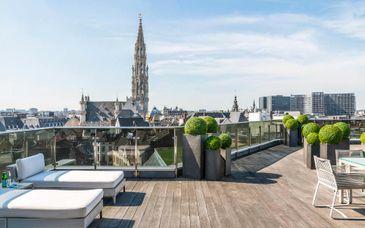
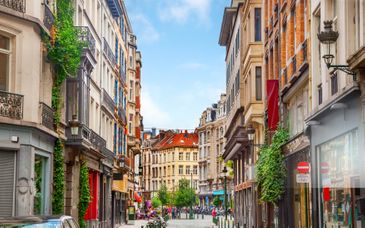
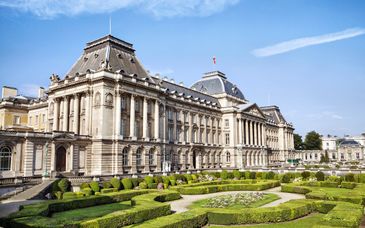
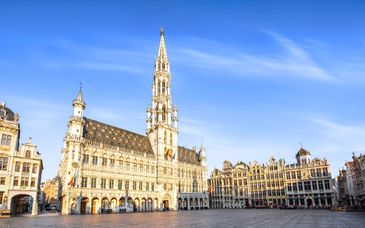
Table of contents
Belgium beckons with medieval architecture and romantic canals in Bruges, vibrant art and nightlife in Brussels and Ghent, world-renowned chocolate and beer culture, and the convenience of Eurostar travel from the UK. Whether you plan a weekend escape or a 72-hour adventure, this compact country delivers diverse experiences at every turn. Register with our members' club to discover exceptional stays in top-tier hotels and exclusive short-break offers that make planning effortless and unforgettable.

This historic property on the banks of the River Leie places you in the heart of Ghent, within walking distance of St Bavo’s Cathedral and Gravensteen castle. Guests enjoy a wellness area with a sauna and fitness facilities, complemented by elegant rooms overlooking the water. The hotel's central location makes exploring the Graslei and Korenlei canal-side streets effortless, while the Eurostar package option streamlines your journey from London to this vibrant Flemish city.
What we love: The riverside setting and direct access to Ghent's cultural treasures.

Positioned in the historic centre of Bruges, this contemporary hotel offers superior rooms with breakfast and puts you steps from the Markt square and the iconic Belfry. The property combines modern comfort with easy access to medieval canals, chocolate shops and the Begijnhof. Many offers include Eurostar travel, ensuring a seamless connection from London to one of Europe's most romantic cities for your weekend break.
What we love: The unbeatable location and convenient transport packages.

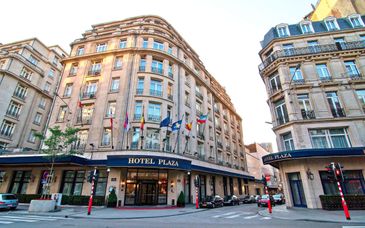
This centrally located four-star property in Brussels provides easy access to the Grand Place, the Atomium and the city's vibrant Art Nouveau districts. Select offers include a complimentary local meal, allowing you to sample Belgian cuisine without stepping far from your door. Excellent transport links connect you to Bruges, Ghent and beyond, making it an ideal base for exploring multiple cities during your short break.
What we love: The central location and inclusive dining options.
The capital rewards a 48-hour itinerary with UNESCO-listed splendour, beginning at the Grand Place, where gilded guildhalls frame one of Europe's most beautiful squares. Day one should encompass the old town, including a photo with Manneken Pis, a stroll through the Royal Galleries and a stop at a traditional café for waffles and beer. On day two, take the metro north to the futuristic Atomium, whose panoramic observation deck offers sweeping city views, then return to explore the Belgian Comic Strip Centre, celebrating Tintin and the nation's illustrious graphic-novel heritage. Base yourself in Sainte-Catherine or the European Quarter for walkable access to museums, restaurants and nightlife. Brussels lies just two hours from London via Eurostar, making it the perfect gateway to your Belgium city break; consider booking centrally located hotels in Brussels to maximise sightseeing time and comfort.
Few destinations rival Bruges for romance and fairy-tale charm, and a 48–72-hour visit allows you to savour its UNESCO World Heritage canals at leisure. Begin with a canal cruise, gliding beneath stone bridges past medieval facades, then climb the 366 steps of the Belfry for a panoramic view over the Markt square. Devote an afternoon to chocolate: visit renowned chocolatiers such as The Chocolate Line, explore the interactive Choco-Story museum, and indulge in tastings at every turn. Wander the cobbled lanes to the Basilica of the Holy Blood, the serene Begijnhof and the picturesque Minnewater lake. On a third day, consider a leisurely morning in cosy cafés or a short excursion to nearby Damme. Bruges is compact and walkable, just one hour by train from Brussels, and many Eurostar packages combine both cities seamlessly. Secure accommodation at hotels in the historic centre of Bruges to wake up steps from canals and market squares.
Less touristy than Bruges yet equally captivating, Ghent pulses with student energy, live music and a thriving bar scene. Begin at St Bavo’s Cathedral, home to the Ghent Altarpiece—a masterpiece of Flemish art—then cross the square to Gravensteen, the imposing medieval castle where interactive exhibits and rampart views bring history to life. Stroll the postcard-perfect Graslei and Korenlei canal-side streets, lined with colourful gabled houses and waterfront terraces. On Saturday evening, dive into the city's vibrant nightlife: university bars, craft-beer taverns and live venues cluster around the Vrijdagmarkt and Overpoortstraat. Sunday morning, visit the STAM city museum or browse vintage stalls at the Sunday flea market, then enjoy brunch on a sunny terrace. Ghent lies just 30 minutes by train from Brussels and 25 minutes from Bruges, making multi-city itineraries effortless. Book riverside hotels in Ghent for characterful accommodation within walking distance of every highlight.
When time is tight, focus on a single destination rather than rushing between cities. Choose Brussels for culture, cuisine and urban energy, Bruges for canals and romance, or Ghent for an authentic blend of both. A sample Brussels weekend might unfold as follows: arrive Friday evening via Eurostar, check in near the Grand Place, and dine in the lively Sainte-Catherine quarter; Saturday, explore the square at sunrise, visit the Belgian Comic Strip Centre, then take the metro to the Atomium for afternoon views; Sunday morning, browse the Place du Jeu de Balle flea market, spend the afternoon at the Royal Museums of Fine Arts, and depart in the evening. Stay within the historic centre to maximise walkability: in Brussels, book near Grand Place or Sainte-Catherine; in Bruges, opt for hotels inside the old town; in Ghent, choose accommodation near Korenmarkt or Graslei. Hotels offering breakfast included save precious morning hours for sightseeing rather than hunting for cafés.

Three days allow you to combine the urban buzz of Brussels with the medieval allure of Bruges or the vibrant culture of Ghent. A classic itinerary pairs Brussels and Bruges: arrive in the capital via Eurostar on day one, explore the Grand Place and surrounding streets, then overnight in Brussels; morning of day two, catch a direct train to Bruges (one hour), check into your hotel, enjoy an afternoon canal cruise and climb the Belfry, stroll the cobbled lanes at dusk, and spend the night in the historic centre; day three, dedicate the morning to chocolate tasting and the Choco-Story museum, then return to Brussels in the afternoon or take a direct train to London. Frequent Belgian Rail services and short journey times—Brussels–Bruges one hour, Brussels–Ghent 30 minutes, Bruges–Ghent 25 minutes—make multi-city breaks smooth and efficient. Many packages include Eurostar travel and offer flexibility to store luggage at stations during transit.
Eurostar connects London St Pancras to Brussels in approximately two hours, with passport control completed in London for a hassle-free arrival. From Brussels-Midi station, onward connections on Belgian Rail (SNCB/NMBS) run frequently to Bruges, Ghent and Antwerp; tickets can be purchased online or at station kiosks, and reservations are not required for domestic trains. Key travel times: Brussels–Bruges one hour, Brussels–Ghent 30–35 minutes, Bruges–Ghent 25 minutes. Trains are punctual, comfortable and offer first- and second-class seating. UK travellers may also fly into Brussels Airport (Zaventem) from various regional airports; an airport train reaches the city centre in 20 minutes. Alternatively, ferries from Dover to Calais or Dunkirk (P&O, DFDS) provide a scenic drive-and-rail option into Belgium. Belgium's compact geography and excellent rail network mean you can easily visit multiple cities in a single weekend, maximising your city break without the stress of long transfers or complex logistics.

Belgium's culinary reputation rests on three pillars: beer, frites and chocolate. The country produces over 1,500 beer varieties, from Trappist ales brewed in abbey silence to fruity lambics and strong abbey beers. Visit traditional beer cafés such as Delirium Café in Brussels (over 2,000 labels) or ’t Brugs Beertje in Bruges, and tour working breweries like Cantillon (Brussels) or De Halve Maan (Bruges) to witness the craft first-hand. Belgian frites—thick-cut, double-fried and served in paper cones with mayonnaise or dozens of other sauces—are best sampled at iconic friteries like Maison Antoine (Brussels) or Frituur ’t Heilig Boontje (Bruges). Artisan chocolatiers Neuhaus, Pierre Marcolini and The Chocolate Line offer tastings and beautifully packaged pralines; the Choco-Story museum in Bruges traces chocolate's history from Aztec origins to Belgian mastery. Don’t miss waffles (Brussels style, light and rectangular; Liège style, dense and sweet), speculoos biscuits and moules-frites (mussels with fries). Sunday markets at Place du Jeu de Balle (Brussels) and Saturday markets in Ghent brim with fresh produce, cheeses and street-food stalls, while guided food walks let you sample multiple specialities in one delicious afternoon.

Belgium's calendar brims with festive events that elevate any city break. From late November to early January, Christmas markets transform city squares into winter wonderlands: Brussels’ Winter Wonders blankets the Grand Place with twinkling lights, ice-skating rinks and wooden chalets selling handmade crafts, while Bruges hosts an enchanting market on the Markt square, complete with an ice-sculpture festival and steaming mugs of mulled wine. Ghent offers a cosier, canal-side market atmosphere with live carols and artisan food stalls. Spring and summer bring equally vibrant celebrations: the Ghent Festival (Gentse Feesten, mid-July) is a ten-day extravaganza of open-air concerts, street theatre and late-night parties that draws half a million visitors; Brussels Summer Festival (August) showcases international music acts; the Procession of the Holy Blood in Bruges (Ascension Day, May) is a centuries-old pageant of medieval costumes and religious pageantry; and Brussels’ Ommegang (July) recreates a grand historical procession in the Grand Place. April and May deliver mild weather, blooming parks and fewer crowds—ideal for canal walks, outdoor café terraces and leisurely exploration. Book accommodation well in advance for Christmas markets and major festival dates to secure the best rates and locations.
Belgium caters to every traveller, from families seeking interactive fun to couples craving intimate moments. Families will appreciate canal boat tours in Bruges and Ghent, which engage children with live commentary on history and legends, while interactive museums—the Belgian Comic Strip Centre in Brussels, Choco-Story in Bruges, and Gravensteen castle in Ghent with its medieval weapons and torture-chamber exhibits—captivate young minds. Parks such as Parc du Cinquantenaire (Brussels), with its triumphal arch and playgrounds, and Minnewater Park (Bruges), known as the Lake of Love, offer green spaces for picnics and play. Bike hire is widely available, and Belgium's flat terrain and dedicated cycle paths make family rides along canals both safe and scenic. Couples will find romance in sunset strolls along Bruges’ canals, horse-drawn carriage rides through cobbled streets, indulgent spa treatments at luxury hotels, and intimate chocolate-tasting workshops led by master chocolatiers. Candlelit dinners in medieval cellars or canal-side brasseries complete the experience. Self-guided heritage walks—downloadable maps trace Art Nouveau architecture in Brussels, the Begijnhof and Minnewater loop in Bruges, and the Graslei waterfront in Ghent—suit all ages and interests, proving that Belgium's compact, walkable cities deliver culture, history and indulgence in equal measure.

Belgium enjoys a temperate maritime climate, with rain possible throughout the year, so packing a compact umbrella and waterproof jacket is essential whatever the season. Spring (April–May) brings mild temperatures, blooming tulips in parks and fewer crowds, making it ideal for canal walks and outdoor terraces. Summer (June–August) offers long daylight hours, open-air festivals and lively café culture, though prices rise and popular sites become busier. Autumn (September–October) delivers pleasant weather, golden foliage and harvest markets, while winter (November–January) transforms cities with magical Christmas markets, though temperatures drop to 0–5°C and daylight is short. Summer highs reach 20–25°C; winter lows hover near freezing. Pack comfortable walking shoes to navigate cobblestones in historic centres, layers to adapt to changeable weather, and smart-casual attire for restaurants and evening outings. Belgium uses the euro (EUR) and Type C/E plugs (230V), so bring an adapter if your devices require one. Book museum and attraction tickets online in advance to skip queues at popular sites such as the Atomium, Belfry and St Bavo’s Cathedral, and confirm hotel amenities (hairdryers, Wi-Fi, adapters) before departure to travel light and stress-free.
UK citizens travelling to Belgium post-Brexit must ensure their passport is valid for at least three months beyond the planned departure date and issued within the last ten years. No visa is required for short stays (tourism, business) in Belgium or the wider Schengen Area. UK passport holders may stay up to 90 days in any 180-day period across all Schengen countries—Belgium, France, the Netherlands, Germany and others—with the 90-day limit cumulative, so keep a record of all Schengen visits if you travel frequently. Border officials will stamp your passport on entry and exit; retain boarding passes and travel receipts as proof of dates. Comprehensive travel insurance is strongly recommended, covering medical expenses, trip cancellation and lost luggage; the UK Global Health Insurance Card (GHIC) provides limited emergency healthcare access in Belgium, but private insurance offers fuller protection. Rules and entry requirements can change, so always consult the latest UK government travel advice and the Belgian embassy website before departure. For a typical city break of two to four days, these formalities are simple and hassle-free, allowing you to focus on exploring Brussels, Bruges and Ghent with peace of mind.
Brussels operates an integrated metro, tram and bus network (STIB/MIVB); purchase tickets at stations, via the official app, or onboard (single, day and multi-day passes available). Bruges and Ghent are compact and walkable, with buses serving outer districts and bikes available for hire. Taxis and ride-hailing apps (Uber) operate in Brussels and larger towns. City cards offer value if you plan intensive sightseeing: the Brussels Card (24/48/72-hour options) includes free museum entry and public transport; the Bruges City Card covers museums, a canal cruise and discounts at chocolatiers; the Ghent City Card provides similar benefits. Evaluate your itinerary to determine if a card suits your plans. Accessibility: many historic centres feature cobblestones, challenging for wheelchairs and pushchairs; modern trams and metros in Brussels increasingly offer step-free access; check hotel and attraction accessibility in advance. The legal drinking age in Belgium is 16 for beer and wine, 18 for spirits; bars and restaurants enforce these limits but maintain a relaxed, welcoming atmosphere. Belgium is trilingual—Dutch in Flanders, French in Wallonia, German in a small eastern enclave—but English is widely spoken in tourist areas. Service charges are included in restaurant bills; rounding up or leaving small change is appreciated but not obligatory. Belgium is safe, welcoming and easy to navigate, making it an ideal destination for first-time European travellers and seasoned explorers alike.

Belgium awaits with open arms, ready to enchant you with its blend of history, culture, gastronomy and charm. From the grandeur of Brussels to the fairy-tale canals of Bruges and the vibrant energy of Ghent, every city promises unforgettable moments and effortless discovery. Start planning your Belgium city break today and unlock exclusive offers designed to make your short escape as seamless and memorable as the destination itself.
Belgium ranks among Europe's finest city break destinations, offering ease of access from the UK via Eurostar (just two hours to Brussels) and short flights to Brussels Airport. The country's compact size allows you to visit multiple cities—Bruges, Ghent, Brussels, Antwerp—in a single weekend or 72-hour trip. Rich culture and history abound, from medieval architecture and UNESCO canals to world-class museums and Art Nouveau masterpieces. Outstanding food and drink—artisan chocolate, Trappist ales, crispy frites and indulgent waffles—delight every palate. Belgium suits couples seeking romance, families wanting interactive museums and parks, and solo travellers craving vibrant nightlife and authentic experiences.
Both cities captivate visitors, yet each offers distinct charms. Bruges is quintessentially romantic: fairy-tale canals, cobblestones, chocolate shops on every corner, and a slower, more leisurely pace—ideal for couples and those wanting postcard-perfect scenery. Ghent pulses with authentic energy: a lively student population, thriving bar and restaurant scene, excellent nightlife, and rich history (St. Bavo's Cathedral, Gravensteen castle) without the tourist crowds. Bruges feels like stepping into a painting; Ghent feels like a living, breathing city. If time allows, visit both—they lie just 25 minutes apart by train—or choose based on your preference: romance and tranquillity in Bruges, culture and socialising in Ghent.
The legal drinking age in Belgium is 16 for beer and wine, and 18 for spirits and strong alcohol. Belgium's strong beer culture and relaxed café atmosphere are central to social life, but bars, restaurants and shops enforce age limits. Public drinking is generally tolerated, though some municipalities impose local bans in certain areas to maintain order. Always drink responsibly and respect local customs. Visitors will find Belgium's beer heritage—Trappist ales, lambics, abbey beers—celebrated in countless traditional taverns and breweries, making tastings a highlight of any city break.
UK citizens (post-Brexit) may stay in Belgium and the wider Schengen Area for up to 90 days in any 180-day period without a visa, for tourism or business purposes. This is a cumulative limit across all Schengen countries (Belgium, France, Netherlands, Germany, etc.), so keep a record of all visits. Your passport must be valid for at least three months beyond your planned departure date from Belgium. Border officials will stamp your passport on entry and exit; retain travel documents as proof of dates. For a typical city break of two to four days, these rules are straightforward and hassle-free. Always check the latest UK government travel guidance and Belgian embassy advice before departure.
"Nicest" is subjective and depends on your interests. Bruges is the most picturesque and romantic, with canals, medieval squares and chocolate-box charm. Brussels excels in culture, museums, food and urban energy—home to the Grand Place, Atomium and stunning Art Nouveau architecture. Ghent offers authentic atmosphere, vibrant nightlife and a blend of history (St. Bavo's, Gravensteen) and modernity. Antwerp shines for fashion, shopping and diamond heritage. First-time visitors often begin with Brussels and Bruges for their iconic appeal; repeat travellers explore Ghent and Antwerp for deeper cultural immersion. Belgium's compact size and excellent rail connections make visiting multiple cities in one trip both easy and rewarding.