New
Exclusive

Our offers
Table of contents
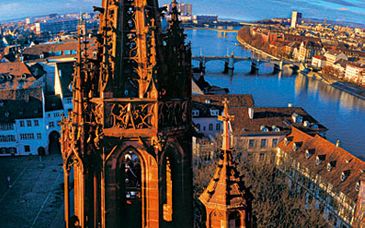
Positioned at the cultural crossroads of Europe, Basel delivers an unforgettable city break experience that combines Swiss efficiency with a sophisticated yet relaxed atmosphere. The city's intimate scale means you can explore the highlights of the Old Town, admire the twin towers of the striking Basel Münster cathedral, and wander the picturesque Rhine promenade all within a single weekend. Home to nearly forty museums—the highest concentration per capita in Switzerland—Basel has earned its reputation as the nation's cultural capital, drawing art enthusiasts from around the globe to institutions such as the Kunstmuseum Basel and the serene Fondation Beyeler. The annual Art Basel fair transforms the city each June into the world's premier contemporary art showcase, whilst the enchanting Christmas market fills Münsterplatz and Barfüsserplatz with festive cheer each winter. What truly sets Basel apart is its location at the Dreiländereck, the tri-border corner where Switzerland meets France and Germany, offering visitors the rare opportunity to enjoy breakfast in one country, lunch in another, and dinner in a third—all accessible by tram or a short train ride. Whether you seek world-class museums, medieval architecture, scenic riverside walks, or cross-border adventures, Basel delivers a richly layered short break that rewards every visitor.

Perfectly positioned between Basel's historic Old Town and the modern city centre, The Passage 4* offers an ideal base for your Basel city break. This stylish hotel places you within easy walking distance of the Christmas markets, Münsterplatz, and the Rhine promenade. Guests enjoy complimentary breakfast and access to onsite wellness facilities including a sauna and gym—perfect for unwinding after a day exploring Basel's museums and cobbled streets. The hotel's central location means you can explore on foot and return quickly to relax.
What we love: Central location between Old Town and new city, onsite wellness facilities including sauna and gym, and breakfast included—ideal for a hassle-free weekend escape.

For travellers looking to extend their Basel city break into a wider Swiss adventure, the Gotthard Panorama Express offers a spectacular combined boat and panoramic train journey linking Lucerne and Lugano. This unique experience includes stays in selected four-star and five-star hotels and showcases Switzerland's most dramatic alpine scenery. Easily accessible from Basel by train in under ninety minutes to Lucerne, it represents a perfect add-on for those wanting to experience Switzerland's legendary rail routes and lakeside beauty alongside their Basel cultural itinerary.
What we love: Scenic boat and panoramic train experience, stays in premium Swiss hotels, and easy rail connections from Basel for an extended Swiss escape.
Basel proves an outstanding choice for a city break, answering the question of whether Basel is worth visiting with a resounding yes. This compact Swiss destination can be comfortably explored on foot over two to three days, making it perfectly suited to a weekend escape. The city blends medieval charm—evident in the Old Town, the towering Münster cathedral, and fortified gates such as Spalentor—with a contemporary cultural scene anchored by world-class museums and the annual Art Basel fair. Unlike the busier atmosphere of Zurich, Basel offers a more intimate and relaxed vibe, where locals swim in the Rhine during summer evenings and café terraces line cobbled squares throughout the year. The city's manageable scale means you can visit multiple museums, stroll historic lanes, enjoy riverside dining, and still have time for a cross-border excursion to France or Germany. Swiss efficiency ensures excellent public transport, safe streets, and high-quality services, whilst the scenic Rhine setting adds natural beauty to the urban experience. For culture enthusiasts, art lovers, and travellers seeking a sophisticated yet unhurried short break, Basel delivers an ideal combination of accessibility, richness, and quality of life.
Basel holds the distinction of being Switzerland's undisputed cultural capital, boasting the highest concentration of museums per capita in the country with nearly forty institutions spread across this compact city. Three museums stand out as essential destinations for any Basel city break. The Kunstmuseum Basel, founded in sixteen sixty-one as the world's oldest public art collection, houses masterpieces spanning centuries from Holbein and Rembrandt through to Picasso, Monet, and contemporary artists, spread across three buildings including the striking modern Neubau. Across the border in the suburb of Riehen, the Fondation Beyeler occupies a luminous gallery designed by Renzo Piano, where visitors encounter Impressionist and modern treasures by Monet, Rothko, Giacometti, and others in serene, light-filled spaces complemented by rotating world-class exhibitions. The playful Tinguely Museum, dedicated to Swiss kinetic artist Jean Tinguely, sits on the Rhine's edge and delights visitors with moving, interactive sculptures that appeal to families and art lovers alike. Beyond these flagship institutions, Basel offers specialist museums covering design at the nearby Vitra Design Museum just over the German border, natural history, archaeology, and more. The annual Art Basel fair each June transforms the city into the global epicentre of contemporary art, attracting collectors, galleries, and enthusiasts from every continent. Art and culture are woven into Basel's identity, making this destination a magnet for travellers seeking intellectual stimulation and aesthetic pleasure.
Basel occupies a unique position at the Dreiländereck, the tri-border point where Switzerland, France, and Germany meet along the Rhine. This geographical advantage transforms a Basel city break into a genuinely international experience, offering visitors the rare opportunity to explore three countries without changing hotels. You can enjoy breakfast at your Basel accommodation, take a tram across the border to the Alsace region of France for lunch amongst vineyards and medieval villages such as Colmar or Eguisheim, then venture into Germany's Black Forest for dinner in the university town of Freiburg or a stroll through traditional hamlets. The Dreiländereck monument itself, located where the three nations converge on the Rhine, serves as a popular photo opportunity reachable by river cruise, bicycle, or a pleasant walk along the riverbank. Practical matters are straightforward: trams and regional trains cross borders seamlessly, and EuroAirport Basel-Mulhouse-Freiburg serves all three countries from a single terminal. Travellers should carry their passport for border crossings, though checks are minimal within the Schengen zone. This tri-border location adds exceptional variety and value to your stay, particularly for those eager to sample French wine routes, German forest trails, and Swiss urban culture within one compact itinerary.
A well-planned forty-eight-hour weekend break allows you to capture Basel's essential highlights without feeling rushed. On day one, arrive mid-morning and check into The Passage 4* in Basel, ideally positioned for exploring on foot. Spend the morning wandering the Old Town, taking in Marktplatz with its vivid red Rathaus adorned with frescoes and a golden spire, then proceed through narrow cobbled lanes to Spalentor, one of three surviving medieval gates. After lunch at a traditional Swiss restaurant, climb to Basel Münster to admire the Romanesque-Gothic cathedral's twin towers and enjoy panoramic views from the terrace overlooking the Rhine. Descend to the river for a leisurely stroll along the promenade, perhaps crossing via one of the charming hand-operated ferries to Kleinbasel on the opposite bank. Evening dining in the St Alban or Claraplatz neighbourhoods showcases Basel's culinary scene. Day two begins with a morning visit to the Kunstmuseum Basel or, if you prefer modern art in tranquil surroundings, take the tram to Fondation Beyeler in Riehen. After lunch, explore the Rhine promenade further, visit the kinetic sculptures at Tinguely Museum, or browse boutiques in the city centre before enjoying an aperitif by the river ahead of your departure. This itinerary covers the must-see sights whilst maintaining a comfortable, unhurried pace.
Extending your Basel city break to seventy-two hours allows for deeper immersion and answers the question of how many days are enough for Basel—three days strike the perfect balance between thorough exploration and maintaining travel momentum. Follow the day-one itinerary outlined above, covering the Old Town, Münster, and initial riverside walks. On day two, dedicate your morning to Fondation Beyeler, taking the tram to Riehen to experience this architectural gem and its world-class collection in peaceful surroundings. Return to the city for lunch, then spend the afternoon exploring Kleinbasel neighbourhoods such as St Johann, where street art, independent boutiques, and trendy cafés offer a more contemporary slice of Basel life. During summer months, join locals for a traditional Rhine swim, floating downstream with a waterproof bag; in cooler seasons, simply enjoy the atmospheric riverside pathways. Day three introduces fresh dimensions: start with the playful Tinguely Museum, then board a Rhine river cruise for a one-to-two-hour journey with commentary illuminating the city's history, bridges, and architecture from a unique vantage point. Disembark for lunch, then venture across the German border to the Vitra Design Museum in Weil am Rhein, a striking Gehry-designed building showcasing furniture and design exhibitions, or opt for a peaceful stroll through Basel's Botanical Garden. Three days also permit a half-day excursion to Alsace wine villages or the southern reaches of the Black Forest, enriching your short break with cross-border variety.
Tailoring your Basel city break around a specific theme allows for focused, memorable experiences. For a Christmas markets and winter break, plan your visit between late November and the twenty-third of December when Basel's festive markets transform Barfüsserplatz and Münsterplatz into enchanting wonderlands of twinkling lights, traditional crafts, and aromatic mulled wine. Spend two to three days savouring the market stalls, sampling roasted chestnuts and Basler Läckerli spiced biscuits, shopping for handcrafted gifts, and warming up with Swiss fondue in cosy restaurants. The Passage 4* Basel provides an ideal base, placing you within easy walking distance of both main market sites and offering wellness facilities to relax after cold-weather exploring. Alternatively, design an art and architecture weekend by timing your visit for mid-June when Art Basel takes over the city, drawing galleries, collectors, and artists from around the globe—book accommodation well in advance for this period. Focus your itinerary on the museum mile, spending dedicated time at the Kunstmuseum, Tinguely Museum, and Fondation Beyeler, then venture to architectural highlights such as the futuristic Vitra Campus across the border, the sleek Roche Tower, and historic guild houses throughout the Old Town. Themed stays enable you to dive deep into Basel's particular strengths, creating a richer, more focused short break experience.
Basel's Old Town, or Altstadt, concentrates centuries of history into walkable cobbled lanes and picturesque squares that demand two to three hours of leisurely exploration. Münsterplatz anchors the historic quarter, a grand open space dominated by the red sandstone Basel Münster cathedral with its twin towers, intricate Romanesque-Gothic architecture, and panoramic terrace offering sweeping views across the Rhine and into Germany and France. Nearby Marktplatz hosts the striking Rathaus, Basel's town hall, a vivid red Renaissance building adorned with elaborate frescoes, a gilded spire, and an arcaded courtyard that serves as a focal point for civic life and the daily market. Wandering westward through narrow lanes brings you to Spalentor, one of three surviving medieval city gates, a fortified tower complete with turrets and heraldic shields that once guarded the approach to Basel. Barfüsserplatz, a lively square named after the Barefoot Friars who once inhabited a monastery here, now serves as a tram hub and home to the Historical Museum Basel, housed in a former Franciscan church. Throughout the Old Town, discover ornate fountains—over two hundred dot the city—guild houses with painted facades, hidden courtyards, and inviting cafés where you can pause for coffee and pastries. The blend of medieval, Renaissance, and Baroque buildings creates an atmospheric backdrop that rewards slow, observant wandering.
Basel's museum landscape justifies a city break on its own merits, with three flagship institutions leading the cultural offering. The Kunstmuseum Basel, the world's oldest public art collection established in sixteen sixty-one, spans three interconnected buildings: the main historic building on St Alban-Graben, the striking contemporary Neubau, and the Gegenwart dedicated to post-nineteen-sixty art. Together they house an extraordinary range from Old Masters including Holbein and Rembrandt through Impressionists such as Monet and Cézanne to modern giants Picasso and Giacometti, culminating in cutting-edge contemporary works. Allow at least half a day to appreciate the breadth and quality of the permanent collection and temporary exhibitions. Positioned on the Rhine's edge, the Tinguely Museum celebrates Swiss kinetic artist Jean Tinguely through playful, moving sculptures that whir, clatter, and spin, delighting visitors of all ages with their mechanical energy and humour—a refreshing contrast to traditional galleries and particularly engaging for families. Across the city in the leafy suburb of Riehen, the Fondation Beyeler occupies a serene Renzo Piano-designed building surrounded by gardens and a lily pond, housing one of Europe's finest private collections of Impressionist, modern, and contemporary art including masterpieces by Monet, Rothko, Bacon, and Warhol. Rotating exhibitions draw international attention, and the tranquil setting encourages contemplative viewing. Museum enthusiasts should consider purchasing a Basel museum pass, available for twenty-four, forty-eight, or seventy-two hours, offering excellent value and unlimited access across the city's cultural institutions.
Basel's culinary landscape blends traditional Swiss fare with multicultural influences drawn from neighbouring France and Germany, offering travellers a rich gastronomic dimension to their city break. Essential Swiss specialities to sample include Basler Läckerli, spiced honey biscuits with almonds and candied peel that make perfect edible souvenirs; Basler Mehlsuppe, a traditional flour soup served during Fasnacht carnival; and classic fondue, raclette, and rösti available at restaurants throughout the city. The Markthalle, a covered market hall near Basel SBB station, gathers local producers, artisan cheeses, fresh produce, and casual dining stalls under one roof, ideal for a quick lunch or picnic supplies. For sit-down dining, explore different neighbourhoods to capture Basel's variety. Kleinbasel—particularly the St Johann and Claraplatz districts—buzzes with trendy bistros, international restaurants, and independent cafés frequented by a younger, creative crowd. The Old Town offers traditional Swiss restaurants with wood-panelled interiors and riverside terraces where you can enjoy lake fish, veal, and seasonal specialities accompanied by local wines from nearby regions. The area around Barfüsserplatz provides quick café options, bakeries, and casual eateries convenient for refuelling between museum visits. Be prepared for Swiss prices—dining is expensive compared to neighbouring countries—but quality remains high; seek out lunchtime fixed menus, known as Tagesmenu, which offer better value than evening à la carte. Basel's strong café culture invites lingering over coffee and pastries at a local Confiserie, where window displays of chocolates and tortes tempt passers-by on every corner.
Reaching Basel proves straightforward thanks to excellent air and rail connections serving this tri-border city. EuroAirport Basel-Mulhouse-Freiburg, coded BSL, MLH, or EHJ depending on the country sector, sits just ten minutes by direct bus from Basel city centre and welcomes flights from across Europe operated by carriers including easyJet, SWISS, Lufthansa, British Airways, and various budget airlines. Alternatively, Basel SBB railway station functions as a major European rail hub with frequent direct trains from Zurich in one hour, Bern in one hour, Paris in three hours, Frankfurt in three hours, and Milan in four hours, making a rail-based city break both practical and scenic. Once in Basel, the comprehensive tram and bus network operated by BVB and BLT covers the entire city and extends across borders into France and Germany; purchase a day pass for unlimited travel or request the free Mobility Ticket provided by most hotels to registered guests. The compact city centre rewards walking—most major sights lie within a twenty-minute stroll of each other—and cycling remains popular with dedicated lanes and rental schemes available. For cross-border excursions, trams run to Saint-Louis in France and Weil am Rhein in Germany, whilst regional trains reach Mulhouse, Freiburg, and beyond; carry your passport as spot checks can occur despite Schengen agreements. Basel's transport infrastructure combines Swiss efficiency with international connectivity, ensuring smooth, reliable movement throughout your stay.
Determining the best month to visit Basel depends on your interests, though the city rewards visitors year-round with distinct seasonal charms. Spring, spanning April and May, brings mild temperatures, blooming parks and gardens, and fewer crowds, creating ideal conditions for museum visits and leisurely riverside walks. Summer months from June through August offer warm weather, long daylight hours, and the opportunity to join locals swimming in the Rhine, dining on outdoor terraces, and enjoying open-air events; mid-June hosts the prestigious Art Basel fair, transforming the city into the global contemporary art capital but requiring advance hotel bookings due to high demand. Autumn, particularly September and October, delivers pleasant temperatures, autumn foliage along the Rhine, and a packed cultural calendar without peak-season crowds, representing excellent value for a Basel city break. Winter, from November through December, centres on the enchanting Basel Christmas market, one of Switzerland's largest and most atmospheric, filling Münsterplatz and Barfüsserplatz from late November until the twenty-third of December with festive stalls, twinkling lights, mulled wine, and traditional crafts—pack warm layers as temperatures drop and snow occasionally dusts the city. Fasnacht, Basel's unique three-day carnival held in February or early March, erupts with parades, costumes, drums, and fifes in a raucous celebration unlike any other Swiss event; book accommodation well ahead if attending. Overall, May through June and September through October strike the best balance of favourable weather, cultural events, and manageable visitor numbers.
Several practical considerations ensure a smooth Basel city break experience. Switzerland uses Swiss Francs, abbreviated CHF, rather than euros; whilst some shops and restaurants accept euros, change is given in francs at unfavourable rates, so withdraw local currency from plentiful ATMs or pay by credit card, which most establishments accept. Expect prices higher than neighbouring France or Germany—restaurant meals, drinks, and transport cost more—but quality and service standards justify the premium. Basel ranks as an exceptionally safe destination; violent crime remains rare, and standard precautions such as watching belongings in crowded areas and securing valuables in hotel safes suffice. The city demonstrates excellent accessibility: trams and buses feature low floors for wheelchair users, museums and major attractions provide ramps and lifts, pavements are well-maintained, and tactile paving assists visually impaired visitors. Most Basel hotels charge a modest tourist tax, around three to five Swiss Francs per person per night, sometimes included in quoted rates and sometimes added at checkout; in return, many properties provide a complimentary Mobility Ticket granting free public transport throughout your stay—confirm this benefit when booking. Tap water throughout Switzerland is safe to drink and of excellent quality; refill bottles at public fountains to save money and reduce plastic waste. Basel's efficient organisation, high safety standards, and visitor-friendly infrastructure combine to create a hassle-free, accessible destination where travellers can focus on enjoying the cultural and scenic attractions.
Basel rewards the discerning traveller with a rare combination of cultural depth, historic charm, and international accessibility, all contained within a compact, walkable city perfectly suited to a memorable short break. From the artistic treasures of the Kunstmuseum and Fondation Beyeler to the medieval allure of the Old Town and the unique tri-border possibilities of the Dreiländereck, every element of your stay delivers quality and variety. Whether you arrive for a forty-eight-hour weekend exploring essential highlights, extend to seventy-two hours for deeper neighbourhood immersion and a Rhine cruise, or time your visit to coincide with the festive Christmas market or prestigious Art Basel fair, this Swiss gem offers itineraries to match every interest and pace. Practical advantages—excellent transport links via EuroAirport and Basel SBB, efficient trams and buses, safe streets, and high-quality accommodation such as The Passage 4* Basel—ensure your focus remains on discovering museums, savouring Swiss cuisine, and soaking up the relaxed sophistication that defines Basel. Register with us to unlock exclusive offers on premium stays and curated experiences, and begin planning your Basel city break today.
Basel proves an excellent choice for a city break, offering a compelling blend of world-class museums, medieval architecture, and a scenic Rhine setting, all within a compact, walkable area easily covered in two to three days. The city's cultural richness—from the Kunstmuseum Basel and Fondation Beyeler to the annual Art Basel fair—attracts art lovers, whilst the charming Old Town, complete with the striking Münster cathedral and historic Spalentor gate, delights history enthusiasts. Basel's unique tri-border location at the Dreiländereck enables effortless day trips to France and Germany, adding international variety to your stay. Less touristy than Zurich yet equally sophisticated, Basel delivers a relaxed, high-quality short escape ideal for culture seekers and travellers valuing efficiency, safety, and a manageable scale.
Two to three days represents the ideal duration for a Basel city break, allowing sufficient time to explore the city's highlights without feeling rushed. A forty-eight-hour weekend covers the essentials: the Old Town, Basel Münster, one or two major museums such as the Kunstmuseum or Fondation Beyeler, and leisurely walks along the Rhine promenade. Extending to seventy-two hours permits deeper exploration, including additional museums like the Tinguely Museum, neighbourhood discovery in Kleinbasel, a Rhine river cruise, and potentially a half-day cross-border excursion to Alsace or the Black Forest. Even a long weekend proves sufficient to experience Basel's cultural and historic attractions whilst maintaining a comfortable, unhurried pace.
May through June and September through October offer the best balance of pleasant weather, cultural events, and manageable visitor numbers for a Basel city break. Spring brings mild temperatures, blooming parks, and fewer crowds, whilst early autumn delivers comfortable conditions and a packed cultural calendar without peak-season prices. December proves magical for those seeking the atmospheric Basel Christmas market, which fills Münsterplatz and Barfüsserplatz from late November until the twenty-third with festive stalls and lights, though expect cold weather requiring warm layers. Mid-June attracts art enthusiasts for the prestigious Art Basel fair, but accommodation must be booked well in advance. Basel rewards visitors year-round, with each season offering distinct charms.
Essential experiences for any Basel city break include exploring the Old Town to admire Münsterplatz, the red sandstone Basel Münster cathedral, the colourful Rathaus, and medieval Spalentor gate. Art lovers should prioritise the Kunstmuseum Basel, housing masterpieces from Holbein to contemporary artists, and the serene Fondation Beyeler in Riehen, featuring Impressionist and modern treasures. Stroll along the Rhine promenade or take a river cruise to appreciate Basel's scenic setting and architectural landmarks from a unique vantage point. Time your visit for the enchanting Christmas market in December or the world-renowned Art Basel fair in June. Sample Swiss specialities such as fondue, raclette, and Basler Läckerli biscuits at traditional restaurants or the Markthalle market.
Both Basel and Zurich excel as Swiss city break destinations, yet they offer different experiences. Basel is smaller, more intimate, and easier to explore on foot, with a stronger focus on art and culture thanks to the Kunstmuseum, Fondation Beyeler, and the annual Art Basel fair. The city feels less touristy and more relaxed, with a charming medieval Old Town and the unique advantage of the tri-border Dreiländereck location enabling day trips to France and Germany. Zurich, by contrast, is larger and more cosmopolitan, boasting a vibrant nightlife, extensive shopping, diverse dining, and a beautiful lakeside setting. Choose Basel for a culture-rich, walkable, and sophisticated short break; opt for Zurich if you prefer a bigger-city buzz with broader entertainment and lifestyle options.