New
Exclusive

Table of contents
France beckons travellers with an unparalleled blend of artistic heritage, culinary excellence and diverse landscapes, from the snow-capped peaks of the Alps to the sun-drenched beaches of the Côte d'Azur. This hexagonal nation has shaped Western civilisation through its contributions to art, literature, philosophy and gastronomy, creating a cultural legacy that permeates every cobblestone street, Gothic cathedral and Renaissance château scattered across its varied regions. From the romantic boulevards of Paris, adorned with iconic landmarks, to the lavender fields of Provence, where time seems suspended in perpetual summer, France offers experiences that satisfy every type of traveller seeking authentic European sophistication.
The French commitment to preserving cultural heritage while embracing modernity creates fascinating contrasts: medieval villages coexist with cutting-edge architecture, traditional markets flourish alongside innovative restaurants, and ancient vineyards produce world-renowned wines using techniques perfected over centuries. Each French region maintains distinct characteristics shaped by geography, climate and historical influences, from the Celtic traditions of Brittany to the Mediterranean lifestyle of the French Riviera. This diversity ensures that extended visits reveal new layers of cultural complexity and natural beauty, enabling travellers to craft bespoke itineraries that might include palace tours in the morning, wine tastings in the afternoon and Michelin-starred dining experiences in the evening—all within the same captivating country.

This enchanting 4-night journey through the Loire Valley transports guests into a UNESCO World Heritage landscape where Renaissance grandeur meets pastoral French beauty. The adventure begins at the elegant Relais des Trois Châteaux, positioned just 800 metres from the magnificent Château de Cheverny, providing an ideal base for exploring the region's most celebrated architectural treasures. The hotel's refined atmosphere captures the Renaissance spirit, with comfortable Deluxe rooms and the traditional Trois Marchands restaurant, which offers regional cuisine in an authentic setting that complements the historical immersion experience.
The itinerary encompasses France's most spectacular châteaux, each revealing unique stories of royal intrigue and architectural evolution. Château de Chambord astonishes visitors with its distinctive French Renaissance architecture and vast formal gardens, while the romantic Château de Chenonceau spans the River Cher on five graceful arches, showcasing centuries of feminine influence through Katherine Briçonnet, Diane de Poitiers and Catherine de Médicis. The experience continues at the Château du Clos Lucé, Leonardo da Vinci's final residence, where interactive exhibitions reveal the master's genius, and the imposing Royal Castle of Amboise offers panoramic views across the Loire Valley from its elevated position.
Accommodation spans two exceptional 4-star properties: the Novotel Blois Centre Val de Loire features recently renovated facilities, including a heated outdoor swimming pool, while the Novotel Tours-Centre Gare provides modern comfort in the historic heart of Tours. Each hotel offers Classic rooms with contemporary amenities and breakfast buffets featuring local specialities. The tour includes entrance tickets to all major châteaux, plus optional wine-tasting experiences at organic vineyards and visits to traditional fromageries, ensuring a comprehensive exploration of the Loire Valley's cultural and culinary heritage within this fairy-tale landscape.
What we love: The privileged location just 800 metres from Château de Cheverny, combined with comprehensive château entrance tickets and the opportunity to stay in Renaissance-inspired accommodation while exploring Da Vinci's final home and the most romantic châteaux of the Loire Valley.

This comprehensive 8-day French odyssey masterfully combines the sophistication of Parisian culture with the historic grandeur of the Loire Valley and the dramatic landscapes of Normandy. Beginning in the City of Light, guests enjoy guided sightseeing tours revealing Paris's most iconic landmarks before journeying through Orléans, forever linked with Joan of Arc's legacy, to the magnificent Château de Chambord, with its distinctive Renaissance architecture and vast estate. The adventure continues with explorations of Château de Chenonceau, known as the "Ladies' Castle" for its remarkable history shaped by influential women throughout the centuries.
The magnificent Mont Saint-Michel serves as the tour's crowning jewel. This UNESCO World Heritage Site rises dramatically from Normandy's tidal flats like a medieval dream materialised in stone. The itinerary includes poignant visits to the D-Day landing beaches, where Allied forces changed the course of history, followed by explorations of the moving Mémorial de Caen museum. Cultural discoveries continue through the picturesque port town of Honfleur, with its characteristic half-timbered houses and artistic heritage, while a visit to the Village Fromager provides authentic insights into France's renowned cheese-making traditions.
Accommodation features comfortable Ibis hotels strategically positioned for optimal sightseeing: Ibis Paris Brancion for exploring the capital, Ibis Styles Tours Centre for Loire Valley discoveries, Ibis Pontorson near Mont Saint-Michel, and Ibis Caen for Normandy explorations. Each property offers Standard rooms with modern amenities and daily breakfast buffets. The tour includes professional English-speaking guides, comfortable coach transportation and entrance fees to key attractions, including Chambord and Chenonceau castles plus the Caen Memorial, ensuring a seamless exploration of France's most treasured historical and cultural destinations.
What we love: The perfect combination of Paris's urban sophistication with Loire Valley châteaux and Normandy's dramatic history, including comprehensive guided tours of iconic sites like Mont Saint-Michel and the D-Day beaches, all enhanced by expert English-speaking guides and strategic hotel locations.
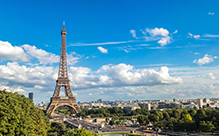
The City of Light enchants visitors through iconic monuments that have defined Parisian elegance for centuries, beginning with the Eiffel Tower, whose iron latticework creates a striking silhouette against Parisian skies while offering panoramic views across the Seine River, Haussmannian boulevards and historic neighbourhoods that showcase the architectural evolution of this magnificent capital. Notre-Dame Cathedral, despite recent restoration challenges, continues to exemplify Gothic architecture at its finest through soaring spires, flying buttresses and rose windows that filter sunlight into kaleidoscopic patterns across ancient stone floors, where French kings once knelt in coronation ceremonies that shaped European history.
The Louvre Museum houses humanity's greatest artistic treasures within a former royal palace, where glass pyramid entrances create dramatic modern additions to Renaissance architecture. Its vast galleries contain masterpieces spanning from ancient Egyptian artefacts to contemporary installations that trace artistic development across civilisations and centuries. Guided tours navigate the museum's overwhelming collection efficiently, focusing on highlights such as the Mona Lisa, Venus de Milo and Winged Victory while providing historical context that enhances appreciation of artistic techniques, cultural influences and patronage systems that enabled such extraordinary creative achievements.
The Montmartre district preserves the bohemian atmosphere that attracted legendary artists like Picasso, Renoir and Toulouse-Lautrec to its winding streets, outdoor cafés and artistic studios, where creativity flourished during the Belle Époque period that established Paris as the world's artistic capital. Sacré-Cœur Basilica crowns this historic hill with Byzantine-inspired architecture that contrasts dramatically with Gothic structures elsewhere in the city, while its steps provide elevated views across Parisian rooftops, where chimney pots and mansard windows create distinctively French urban landscapes. Place du Tertre continues Montmartre's artistic traditions through portrait artists, street performers and galleries that maintain connections to the neighbourhood's creative heritage while serving contemporary visitors seeking authentic Parisian cultural experiences.

The Loire Valley earned recognition as the "Garden of France" through its remarkable concentration of Renaissance châteaux that demonstrate French architectural refinement and royal patronage during the country's most culturally significant periods. Chambord stands as the valley's most ambitious château, featuring 440 rooms, 77 staircases and 282 chimneys arranged around a central double-helix staircase allegedly designed by Leonardo da Vinci during his residency at nearby Clos Lucé, where the Italian master spent his final years creating innovations that influenced French Renaissance art and architecture.
Chenonceau's unique architecture spans the Cher River through arched galleries that create reflections in flowing water, while its history reveals the influence of powerful women who shaped both the château's development and French court politics, including Diane de Poitiers and Catherine de' Medici, whose competing visions resulted in the distinctive structure visitors admire today. The château's formal gardens demonstrate French landscape design principles through geometric parterres, topiary sculptures and seasonal plantings that provide colour and fragrance throughout the growing season while maintaining perfect proportions that complement the building's architectural harmony.
Wine production throughout the Loire Valley creates opportunities to explore famous appellations such as Sancerre, Muscadet and Vouvray through tastings that reveal how terroir influences grape varieties adapted to specific microclimates and soil compositions found along the river's meandering course. Family-owned vineyards often occupy properties for generations, maintaining traditional winemaking techniques while incorporating modern equipment that preserves quality while increasing efficiency. These intimate tastings provide education about French viticulture while offering direct purchases of wines rarely exported, creating unique souvenirs that capture the essence of Loire Valley terroir for enjoyment long after tours conclude.
Provence captivates visitors through landscapes that inspired Van Gogh, Cézanne and countless other artists who found endless inspiration in the region's distinctive light, vibrant colours and dramatic geography, where limestone cliffs, lavender fields and olive groves create compositions that seem designed by nature specifically for artistic interpretation. The region's Mediterranean climate enables outdoor exploration throughout most of the year while supporting agriculture that produces ingredients essential to Provençal cuisine, including herbs de Provence, olive oil and vegetables that form the foundation of dishes celebrating the sun-soaked flavours that define southern French gastronomy.
Luberon villages perch on hillsides like precious stones scattered across ancient landscapes, where Roman ruins remind visitors of the region's strategic importance during classical antiquity, while medieval fortifications demonstrate later defensive needs as competing powers struggled for control of trade routes connecting northern Europe with Mediterranean markets. Gordes, Roussillon and Bonnieux exemplify these spectacular hill towns, where narrow stone streets wind between houses built from local limestone that glows golden in Provençal sunlight, creating the distinctive warm tones that characterise regional architecture, perfectly adapted to climate and available materials.
The French Riviera extends Provence's appeal eastward along a coastline where glamorous resorts have attracted international celebrities, artists and aristocrats since the 19th-century development of winter tourism that transformed fishing villages into sophisticated destinations renowned for luxury, natural beauty and cultural sophistication. The Cannes Film Festival represents the pinnacle of cinematic glamour, while Nice's Promenade des Anglais demonstrates the elegant resort architecture that defined Riviera development during the Belle Époque period, when European nobility established the region's reputation for refined leisure and artistic patronage that continues today through world-class museums, festivals and galleries.
The Bordeaux wine region encompasses over 120,000 hectares of vineyards that produce some of the world's most prestigious wines through a classification system established in 1855 that continues to influence global wine markets while maintaining quality standards that have made Bordeaux synonymous with viticultural excellence. The region's diverse appellations, including Médoc, Saint-Émilion and Pomerol, showcase how subtle variations in soil composition, microclimate and grape varieties create distinct wine styles that reflect their specific terroir while adhering to strict production regulations that protect both quality and regional reputation built over centuries of refinement.
Saint-Émilion combines exceptional wine production with remarkable medieval architecture recognised by UNESCO for its outstanding universal value, where limestone quarries that once provided building stone for the village now serve as natural wine cellars that maintain optimal temperature and humidity conditions for ageing premium vintages. The village's monolithic church, carved entirely from limestone bedrock during the 12th century, demonstrates the extraordinary craftsmanship and religious devotion that characterised medieval construction projects while creating unique architectural monuments that enhance the cultural significance of this prestigious wine region.
Professional wine tours provide access to prestigious châteaux, where experienced guides explain viticulture techniques, terroir influences and winemaking traditions that distinguish Bordeaux wines from other French regions while offering tastings that educate palates to recognise subtle differences between appellations, vintages and blending techniques. Many châteaux offer exclusive experiences, including harvest participation, blending workshops and private dinners paired with rare vintages that provide intimate access to winemaking traditions rarely shared with casual visitors. These immersive experiences often include meetings with proprietors or winemakers who share family histories and philosophies that guide their approach to producing wines that consistently rank among the world's finest examples of their respective styles.

Normandy's dramatic coastline bears witness to pivotal moments in European and world history, most notably the D-Day landings that marked the beginning of Nazi Germany's defeat during World War II, where Allied forces established beachheads along a 50-mile front that enabled the liberation of Western Europe through the largest amphibious invasion in military history. Utah Beach, Omaha Beach and other landing sites maintain museums, memorials and preserved bunkers that provide sobering reminders of the sacrifice required to restore freedom to occupied territories while educating visitors about the strategic planning, international cooperation and individual courage that made victory possible.
The American Cemetery at Colleville-sur-Mer overlooks Omaha Beach through meticulously maintained grounds, where 9,387 white marble crosses and Stars of David mark the final resting places of service members who gave their lives during the Normandy campaign, creating a profoundly moving experience that transcends nationality while honouring the universal values of freedom and democracy that motivated their sacrifice. The cemetery's visitor centre provides comprehensive historical context through multimedia exhibits, personal testimonies and artefacts that humanise the statistical magnitude of D-Day operations while preserving individual stories that might otherwise be lost to historical generalisation.
Mont-Saint-Michel represents Norman cultural achievement through its abbey's spectacular architecture that rises from tidal flats like a medieval vision made manifest, where Gothic spires and Romanesque foundations create one of Europe's most photographed monuments while demonstrating the engineering expertise required to construct major buildings on unstable foundations subject to extreme tidal variations. The abbey's religious significance attracted pilgrims throughout the medieval period, while its strategic location enabled defensive capabilities that withstood numerous sieges during the Hundred Years' War between France and England. Modern causeway access replaces dangerous tidal crossings that once claimed pilgrim lives while preserving the site's mystical character that inspired centuries of religious devotion and architectural innovation.
Lyon rightfully claims recognition as France's gastronomic capital through a culinary tradition that combines regional ingredients with innovative techniques developed in the city's legendary bouchons, traditional restaurants where silk workers once gathered for hearty meals prepared with local products, including Charolais beef, Bresse chicken and wines from nearby Beaujolais vineyards. These authentic establishments continue serving classic Lyonnaise specialities such as quenelles, coq au vin and andouillette through recipes passed down through generations while maintaining the convivial atmosphere that makes dining in Lyon a cultural experience rather than mere sustenance.
The city's UNESCO-listed historic centre showcases Renaissance architecture through the Vieux Lyon district, where traboules—hidden passageways that once enabled silk merchants to transport their delicate goods while avoiding weather and thieves—now provide fascinating glimpses into daily life during Lyon's golden age as Europe's silk capital. These secret passages connect courtyards and buildings through architectural networks that demonstrate the ingenuity required for medieval urban planning while creating unique walking tours that reveal hidden aspects of Lyonnaise history invisible from main streets and tourist thoroughfares.
Les Halles de Lyon Paul Bocuse indoor food market honours the legendary chef who elevated Lyonnaise cuisine to international prominence while providing access to the exceptional local products that enable such culinary excellence, including artisanal cheeses, charcuterie, fresh produce and regional wines that represent the finest examples of French food traditions. Guided food tours through the market include tastings, cooking demonstrations and meetings with local producers who maintain traditional methods while adapting to contemporary demands for quality, sustainability and innovation that characterise modern French gastronomy at its finest.
France's excellent transportation infrastructure enables efficient travel between regions through high-speed TGV trains that connect major cities in hours rather than days, while regional rail services provide access to smaller towns and rural areas, where authentic French culture often reveals itself most clearly through local markets, family restaurants and seasonal festivals that celebrate regional traditions. Car rental offers maximum flexibility for exploring countryside areas, wine regions and coastal routes, where spontaneous discoveries often provide the most memorable travel experiences, though urban areas generally favour public transportation due to traffic congestion and limited parking availability.
Seasonal considerations dramatically affect both weather conditions and cultural offerings throughout France. Summer provides optimal conditions for outdoor activities, beach visits and evening dining while creating crowds at major attractions that may require advance booking for popular museums, restaurants and accommodation. Spring and autumn offer ideal touring conditions, with moderate temperatures, fewer tourists and spectacular seasonal changes that enhance photography while providing comfortable conditions for walking tours and outdoor exploration. Winter visits enable unique experiences such as Christmas markets, skiing in the Alps and truffle hunting in southern regions, though some attractions may have limited hours or seasonal closures.
Advance planning becomes essential for securing reservations at prestigious restaurants, popular museums and accommodation in high-demand locations during peak seasons, while cultural events such as the Cannes Film Festival, Avignon Theatre Festival and harvest celebrations require early booking to ensure availability. Travel insurance provides peace of mind for international visitors, while learning basic French phrases enhances interactions with locals, who often appreciate efforts to communicate in their language. Regional tourism offices provide valuable resources for discovering local events, seasonal specialities and hidden attractions that might not appear in major guidebooks but often provide the most authentic French experiences for curious travellers willing to venture beyond standard tourist itineraries.