New
Exclusive
































Summer 2026 is shaping up to be one of the most exciting travel years in recent memory. Flights are filling up, new routes are opening, and travellers across Europe and beyond are already locking in their plans. Whether you have a fortnight to spare or just a long weekend, understanding the landscape of summer travel this year — the costs, the crowds, the climates — makes the difference between a good holiday and a great one.
Booking early has never mattered more. Data from major travel platforms consistently shows that summer flights to popular European destinations are, on average, 20% cheaper when booked six to twelve months in advance. That means those who started searching back in January or February 2026 are already ahead of the game. For everyone else, acting in March or April is still within the sweet spot for securing competitive fares.

Choosing where to go this summer depends on a mix of factors: budget, preferred climate, travel style and tolerance for crowds. The destinations below span a wide range of experiences, from iconic Mediterranean coastlines to off-the-beaten-track tropical islands. Each entry gives a realistic picture of what to expect, what it costs, and when the timing works best.
Europe remains the most popular summer holiday region in the world. A 2024 study found that over 60% of European travellers ranked the seaside as their preferred summer destination type, with beach holidays particularly popular in the United Kingdom, France and Germany. That said, the continent is vast and varied — and smart travellers know how to navigate its many layers.

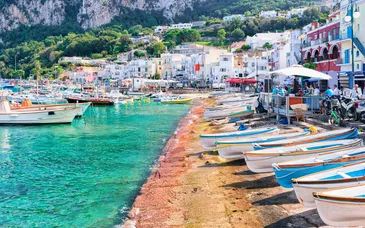
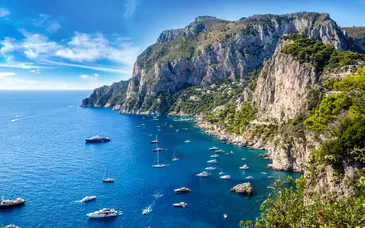
Few countries in the world can rival Italy for sheer visual impact. From the Amalfi Coast and Sicilian beaches to the canals of Venice and the hilltop towns of Tuscany, summer in Italy is an experience that rewards the prepared traveller. The Amalfi Coast, in particular, has attracted visitors since Roman times and continues to rank among Europe's most breathtaking stretches of coastline — with 2026 even marking the debut of a new Paris-to-Amalfi Coast journey on the Venice Simplon-Orient-Express for those seeking a truly luxurious approach.
Average summer temperatures in southern Italy hover between 28°C and 36°C in July and August, with coastal areas offering some relief from the heat. A comfortable mid-range daily budget runs from €80 to €130 per person, though coastal resorts in high season push this higher. June and early September offer more manageable temperatures, fewer queues and better accommodation prices — making them the wisest choices for most travellers. For a less crowded Italian experience, consider Sicily over the Amalfi, or explore the Puglia coastline instead of the well-trodden Cinque Terre.

Spain welcomed a 4% increase in international arrivals in 2025, confirming its status as one of Europe's most resilient summer destinations. The country offers extraordinary variety — from the Costa Brava and the Balearic Islands to the cultural depth of Seville, Bilbao and Valencia. Valencia in particular combines beach, architecture and world-famous cuisine at a fraction of the cost of Barcelona.
July and August bring intense heat to cities like Madrid, where temperatures can exceed 40°C. Coastal destinations, especially in the north, offer a milder alternative. A daily budget of €70 to €120 per person covers comfortable accommodation, meals and transport in most regions. June is the optimal month for visiting major cities before the full heat sets in, while September remains ideal for beach lovers seeking post-peak quiet. For a less crowded alternative to Ibiza and Mallorca, the Canary Islands deliver year-round sunshine and a far more relaxed pace.

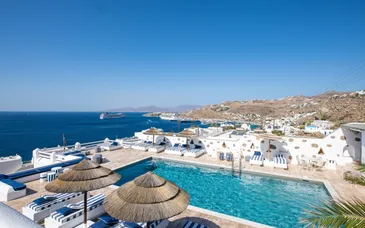
Greece continues to captivate travellers with its combination of ancient history, crystalline seas and island-hopping possibilities. Athens serves as the perfect gateway to destinations like Santorini, Mykonos and the Ionian Islands, with daily sailings from the main harbour. Several music festivals are planned for summer 2026, including the Release Athens event, adding an extra layer of appeal for culture-focused visitors.
August is peak season in Greece, with temperatures regularly hitting 35°C or above — and popular sites like the Acropolis sometimes closing in the afternoon due to excessive heat. June remains the sweet spot: warm enough for swimming, calm enough for sightseeing, and significantly cheaper than July and August. A daily mid-range budget of €75 to €120 per person is realistic. For a less touristy alternative to Santorini and Mykonos, the island of Corfu offers stunning beaches, rich history and considerably lower prices.

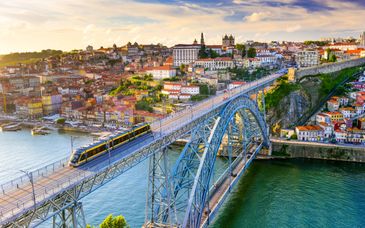
Portugal recorded a 2% increase in arrivals in 2025 and continues its trajectory as one of Europe's most beloved destinations. The Algarve — with its golden cliffs, hidden sea caves and charming fishing villages — is consistently rated one of the best-value beach destinations on the continent. Towns like Lagos, Albufeira and Tavira each bring a distinct character, from dramatic coastal walks to laid-back beach culture.
Spring and early autumn are technically the best seasons to visit, as the shoulder season balances good weather with smaller crowds. That said, summer in the Algarve is spectacular, with temperatures averaging 28°C to 32°C along the coast. A mid-range daily budget of €65 to €100 per person makes Portugal noticeably more affordable than comparable French or Italian coastal regions. Travellers looking beyond the Algarve can explore the lesser-known Silver Coast or the dramatic landscapes of the Azores — a volcanic archipelago unlike anywhere else in Europe.
For those willing to travel further afield, summer 2026 opens up a compelling range of options across Asia and the Americas. These destinations require slightly more planning — particularly around visas, seasonal weather and flight costs — but they consistently deliver exceptional value and unforgettable experiences.

Thailand remains one of Asia's most loved travel destinations, combining easy entry rules, extraordinary value and a remarkable diversity of landscapes. Bangkok's markets and temples, the beaches of Phuket, Krabi and Koh Samui, and the cultural richness of Chiang Mai form a compelling itinerary for any type of traveller. Street food is both delicious and inexpensive, and accommodation spans the full range from budget hostels to outstanding luxury resorts.
The key consideration for summer travellers is Thailand's rainy season, which runs from May to October across most of the country. The Gulf of Thailand coast (Koh Samui, Koh Phangan) actually experiences its best weather from January to April, while the Andaman coast (Phuket, Krabi) dries out from November to April. Travellers visiting in summer should plan for afternoon showers but can still enjoy beautiful mornings and lower prices. Regarding entry, British nationals and most EU passport holders benefit from visa-on-arrival or visa-free arrangements for stays of up to 30 days, with a 60-day tourist visa available on application. Flights from London to Bangkok average £400–£650 return in summer, with daily budgets of around $40–$70 achievable. Thailand is broadly safe for tourists, though standard precautions apply in busy tourist areas.

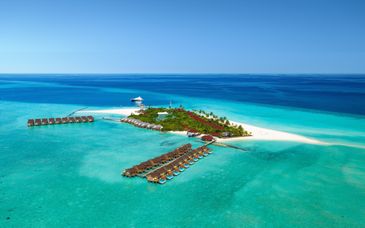
Bali continues to dominate Indonesian travel conversations in 2026, showing no signs of slowing as a global bucket-list destination. The best weather on the island falls between April and September, which aligns perfectly with the European summer. Beyond the beaches, Bali offers adventure at every turn: the Waterbom water park, the spiritual Ulun Danu Beratan Temple, yoga retreats and some of Asia's most rewarding diving sites.
Indonesia is well-known for its affordability, making it particularly attractive for solo travellers and groups. A comfortable daily budget runs from $35 to $60, covering guesthouses, local meals, scooter hire and activities. Most European nationalities receive a 30-day visa on arrival, extendable to 60 days, with an e-Visa available for longer stays. Indonesia is generally a safe destination, though standard travel precautions apply, and it is worth being aware of petty theft in busy tourist areas. Flights from London to Bali average £550–£850 return from major carriers in summer.

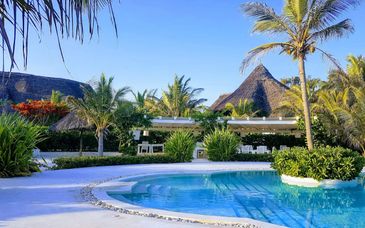
Mexico offers extraordinary variety — Pacific surf towns, Caribbean turquoise waters, ancient Mayan ruins, colonial cities and extraordinary food culture — all within a country that requires no visa for British or most EU citizens, with stays of up to 180 days visa-free. The Yucatán Peninsula, home to Tulum, Playa del Carmen and the archaeological sites of Chichén Itzá, is particularly popular in summer, though the Caribbean coast does experience its rainy season from June to October.
Despite occasional afternoon downpours, Mexican summers remain warm (28°C to 34°C) and the showers are typically brief. The Baja California Peninsula and Pacific coast cities like Puerto Vallarta offer drier alternatives from June onwards. A mid-range daily budget of $35 to $55 makes Mexico excellent value. Flights from London to Cancún average £550–£800 return in summer. Safety varies significantly by region — tourist areas in the Yucatán and Baja California are broadly considered safe, while certain other states require more careful planning and staying up to date with official travel advice.
Travelling with children demands a different kind of holiday planning. Logistics, activities, accommodation flexibility and budget all need to work together. The following three destinations have established themselves as genuinely excellent choices for families, each offering a distinct character that appeals to children and adults in equal measure.

France remains one of the most visited countries in the world, and for good reason. Its combination of dramatic coastal scenery — from the Atlantic Basque coast to the Côte d'Azur — with cultural richness, outstanding food and excellent infrastructure makes it an ideal choice for families. Theme parks, natural parks, beach resorts and mountain villages all sit within a country that is easy to navigate.
The Île-de-France and Provence-Alpes-Côte d'Azur regions were among Europe's top performers for online accommodation bookings in summer 2025. Summer temperatures along the Mediterranean coast average 28°C to 33°C, while Atlantic coastal resorts tend to be milder and less crowded. Family accommodation is widely available in all formats — from holiday villages and campsites with pools to self-catering gîtes. A realistic family budget for four people (two adults, two children) runs from €250 to €400 per day depending on region and accommodation type, inclusive of meals and activities.

The United Kingdom might not offer guaranteed sunshine, but it punches well above its weight as a family holiday destination. Cornwall, the Lake District, the Scottish Highlands and the Pembrokeshire Coast combine spectacular scenery with an impressive range of child-friendly activities — from surfing lessons and coastal walks to castle visits and wildlife spotting. No passport or language barrier makes it especially accessible for last-minute family breaks.
Temperatures in the UK during July and August average between 18°C and 24°C, with coastal areas sometimes reaching higher. Self-catering cottages and holiday parks represent the most family-friendly and cost-effective accommodation options, with four-person budgets ranging from £180 to £350 per day including food and activities. For families seeking something truly different, the Jurassic Coast in Dorset, the Cairngorms National Park and the Isle of Skye offer genuinely memorable experiences that feel far more exotic than their proximity suggests.

Croatia has become one of Europe's most popular family summer destinations, combining crystal-clear Adriatic waters, dozens of accessible islands, national parks and excellent outdoor activities. Sea kayaking, white-water rafting, cliff jumping, cycling and snorkelling are just some of the highlights, making Croatia especially compelling for families with older children and teenagers.
Krka National Park, with its series of waterfalls and natural swimming pools, is a particular favourite with children. Family accommodation ranges from modern apartments on the islands to all-inclusive resorts and private villa rentals, with something available at every budget level. Entrance to Krka's main areas costs around €20 for adults and €12 for children over seven, with free entry for under-sevens. A family of four can expect to spend between €200 and €350 per day in mid-range accommodation, inclusive of activities and meals. July and August are peak season — Hvar, Dubrovnik and Split fill up fast, so booking well in advance is essential.
Saving money on summer holidays is less about luck and more about timing and strategy. The gap between what early planners pay and what last-minute bookers face can run to hundreds of pounds on flights alone. A few well-chosen decisions early in the process can dramatically improve the value of any trip.

| Destination | Budget 1 Week (per person) | Average Return Flight | Daily Cost of Living |
|---|---|---|---|
| Italy (Amalfi/Sicily) | £900–£1,400 | £150–£280 | €80–€130 |
| Spain (Barcelona/Ibiza) | £800–£1,200 | £100–£200 | €70–€120 |
| Greece (Athens/Santorini) | £750–£1,200 | £120–£220 | €75–€120 |
| Portugal (Algarve) | £650–£1,000 | £100–£180 | €65–€100 |
| Croatia (Hvar/Dubrovnik) | £700–£1,100 | £120–£200 | €70–€110 |
| Albania (Riviera) | £400–£650 | £120–£250 | €30–€50 |
| Bulgaria (Sunny Beach/Varna) | £350–£600 | £80–£160 | €25–€45 |
| Thailand (Bali/Bangkok) | £700–£1,100 | £400–£650 | $40–$70 |
| Mexico (Yucatán/Baja) | £700–£1,000 | £550–£800 | $35–$55 |
Not all summer holidays are the same. What you pack, where you stay and how you move all shift depending on whether you are chasing sunsets on a sandy beach, exploring a new city's art scene, crossing mountain passes, or retreating to a jungle resort. Matching destination to travel style is the single biggest factor in holiday satisfaction.
A proper beach holiday demands three things: reliable sunshine, clean water and manageable crowds. For guaranteed Mediterranean warmth without the high-season chaos, the Greek island of Corfu stands out as a genuinely affordable alternative to Santorini and Mykonos. The Algarve in Portugal — with its extraordinary rock formations, sea caves and golden beaches — remains one of Europe's most photogenic coastal stretches. Those who want to escape Europe entirely will find Bali delivers exceptional beach quality with half the price tag of comparable Mediterranean resorts.
June is the optimal month for beach holidays in southern Europe — warm enough for swimming (sea temperatures around 22–24°C in the Mediterranean), but before the peak crowds descend. Accommodation is typically 20–30% cheaper than in July or August. Travellers who can flex their dates to the first two weeks of September often find the best combination of sea temperature, thinner crowds and lower prices across the board.

Summer city breaks reward early starts and late evenings. The long daylight hours — up to 18 hours in Copenhagen during peak summer — allow for far more ground-covering per day than any other season. Copenhagen's combination of Tivoli Gardens, harbour swimming, canal dining and world-class food makes it one of Europe's most exciting summer city destinations. Athens, Madrid and Lisbon each offer extraordinary cultural depth, though travellers should be prepared for extreme afternoon heat and plan accordingly by visiting major attractions in the morning or early evening.
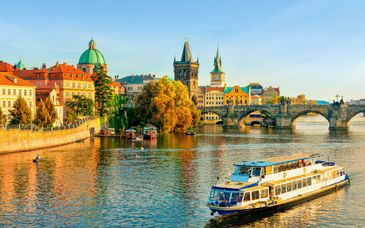
Eastern European capitals — Budapest, Prague, Krakow and Sofia — are increasingly popular choices for summer city breaks. All four combine rich history and architecture with daily budgets significantly lower than their Western counterparts. Budapest's thermal bath scene, Prague's medieval old town, and Sofia's rapidly growing food and art scenes make each one a compelling option for travellers looking to stretch their budget without compromising on experience.
Road trips hit their peak in summer, when long days, warm evenings and open borders create the ideal conditions for cross-country exploration. Portugal's Atlantic coastline — from Lisbon south to the Algarve — is one of Europe's most rewarding road trip routes, combining beaches, clifftop villages and wine country within a compact, drivable distance. The Italian Amalfi Coast, though technically better navigated by boat or local bus due to narrow roads, rewards those who take it slowly. Further east, Croatia's Dalmatian Coast from Split down to Dubrovnik ranks among Europe's most spectacular drives.
For longer road trip ambitions, a journey through the Balkans — taking in Albania, Montenegro and Slovenia — now sits within reach thanks to improving infrastructure and low fuel and accommodation costs. A two-week road trip through this region is achievable on a total budget of £800–£1,200 per person including accommodation, food and fuel. Car hire is typically cheapest when booked at least six to eight weeks in advance, and many road trippers benefit from flying into one city and out of another to avoid doubling back.

Adventure travel in summer 2026 is being shaped by a growing appetite for authentic outdoor experiences over poolside relaxation. Norway's fjords, Iceland's midnight sun and Scotland's Cairngorms are among the top choices for serious nature enthusiasts. For those willing to travel further, Indonesia's volcanic landscapes, jungle trails and world-class diving make Bali and the surrounding islands an extraordinary adventure base.
Closer to home, the Julian Alps in Slovenia, the Plitvice and Krka national parks in Croatia, and the volcanic Azores archipelago each offer serious outdoor credentials at accessible price points. Multi-day hiking routes, white-water rafting, sea kayaking and canyoning are all widely available across Croatia and Slovenia throughout summer. These destinations also offer excellent family adventure options for older children and teenagers.
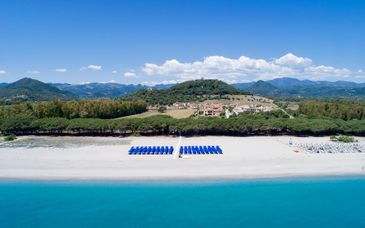
The luxury travel market in 2026 is defined by exclusivity and experience over pure brand recognition. The most sought-after luxury summer destinations — Sardinia's beaches, the Turkish Riviera at Bodrum, the Sicilian coast and the south of France — each deliver a combination of natural beauty and high-end service that justifies the premium. Sardinia in particular continues to attract discerning travellers seeking an Italian island experience without the Amalfi crowds, with crystal-clear sea, outstanding seafood and genuine local culture.
At the ultra-premium end, bespoke itineraries combining private yacht charters in the Greek Islands, villa rentals in Tuscany and private tours of archaeological sites are growing in popularity. The key differentiator for luxury travellers in 2026 is personalisation — immersive, tailor-made experiences that go beyond a standard resort stay. Booking through a specialist travel concierge, rather than a standard platform, typically unlocks access to properties and experiences unavailable elsewhere.
The question of when to book is the one most travellers get wrong — either acting too early and paying speculative pricing, or waiting too long and watching fares double. Understanding how airline and accommodation pricing actually works gives you a genuine advantage.
Historical data consistently points to the same pattern: flights to popular summer destinations are cheapest when booked six to twelve months before departure. For a July or August trip to Europe, that window ran from July 2025 through January 2026. Those who took advantage of Black Friday 2025 or the January 2026 travel sales will have secured the best available fares. For those who missed these windows, the next best period is

For long-haul destinations — Thailand, Indonesia, Mexico and the Caribbean — the ideal booking window is closer to twelve months. Fares for Asia in particular tend to be more volatile, and the cheapest seats on popular routes sell out months before departure. Setting price alerts on Skyscanner or Google Flights as early as possible is the most reliable strategy, allowing you to track fluctuations and strike when a dip appears.
Early booking vs. last minute: Last-minute deals still exist, but they are increasingly rare for summer travel. Airlines have become far more sophisticated in their pricing models, and the notion of grabbing a cheap July flight in June is largely a myth for popular routes. The occasions where last-minute deals genuinely pay off are typically mid-week departures to less popular destinations, or accommodation cancellations in quieter resorts. For anyone travelling in school holidays or with fixed dates, early booking is always the safer — and usually cheaper — approach.
Best months to book for summer 2026:
Packing well means packing intentionally. A suitcase stuffed with things you never use is not just impractical — it adds luggage fees, slows you down and makes arriving anywhere more stressful. The following checklists are distilled from the essentials, organised by trip type.